If you are looking for a first lifting treatment recommendation in your 30s, the usual order is to sort out three things before the name of any treatment: the area that concerns you, the schedule you can spare for recovery, and your maintenance plan. Once these three are set, it is easier to narrow down the right energy type and treatment scope at the consultation. This article summarizes the criteria worth knowing before your first consultation.
Is It Okay to Start Lifting Treatments in Your 30s?
Age alone does not decide whether to start. Even among people in their 30s, firmness varies greatly depending on skin thickness, fat distribution and lifestyle. If your jawline is getting blurry or your cheek contour is beginning to look saggy, you may consider a consultation, and if there is little change, sun protection and skin care may come before any procedure.
At a consultation, the first thing checked is whether a procedure is needed at all based on your current condition. You may also be told that not having a procedure is the right choice.
What Criteria Should I Look At When Choosing a First Treatment?
The criteria for a first lifting treatment in your 30s can be summarized in the following five points.
- Area of concern: the place that bothers you most, such as the jawline, cheeks, eye area or forehead
- Energy type: differences in how it works, such as ultrasound, radiofrequency or muscle stimulation
- Recovery schedule: how long you can go about your life with some swelling or redness after the treatment
- Maintenance plan: whether to finish in one session or continue at intervals
Costs are based on different standards at each clinic, so they are hard to compare as a single figure.
How Are Lifting Treatments Categorized?
Lifting treatments are broadly divided by the way they deliver heat or stimulation. Even if the names are unfamiliar, knowing the category makes consultations easier to follow.
- Ultrasound type (for example, Ulthera): delivers ultrasound energy to deep layers of the skin
- Radiofrequency type (for example, Thermage FLX and Density Dual RF): aims to improve skin firmness with radiofrequency heat
- Muscle stimulation type (for example, EMFACE): uses stimulation of the facial muscles
The suitable areas, the pain you feel and the recovery pattern differ by category. Because it cannot be said that one method is better, your medical team judges according to your skin condition and areas of concern. It is also a good idea to confirm each device's approval status and how long effects last directly at the consultation.
What Should I Ask at the Consultation, and What Should I Be Careful About Before and After?
It helps to bring the following questions to the consultation.
- Is this the right time for a procedure given my skin condition?
- What is the difference between the method you recommend and the other options?
- How much pain should I expect during the procedure, and when can I return to daily life afterward?
- Besides temporary swelling and redness, what unusual reactions should I watch for?
- Does the amount quoted include VAT?
It is generally known that temporary swelling, redness and a tingling sensation may appear after lifting treatments. The degree and duration of symptoms vary from person to person. If you are pregnant, have a skin condition or take medication, you should tell your doctor in advance at the consultation.
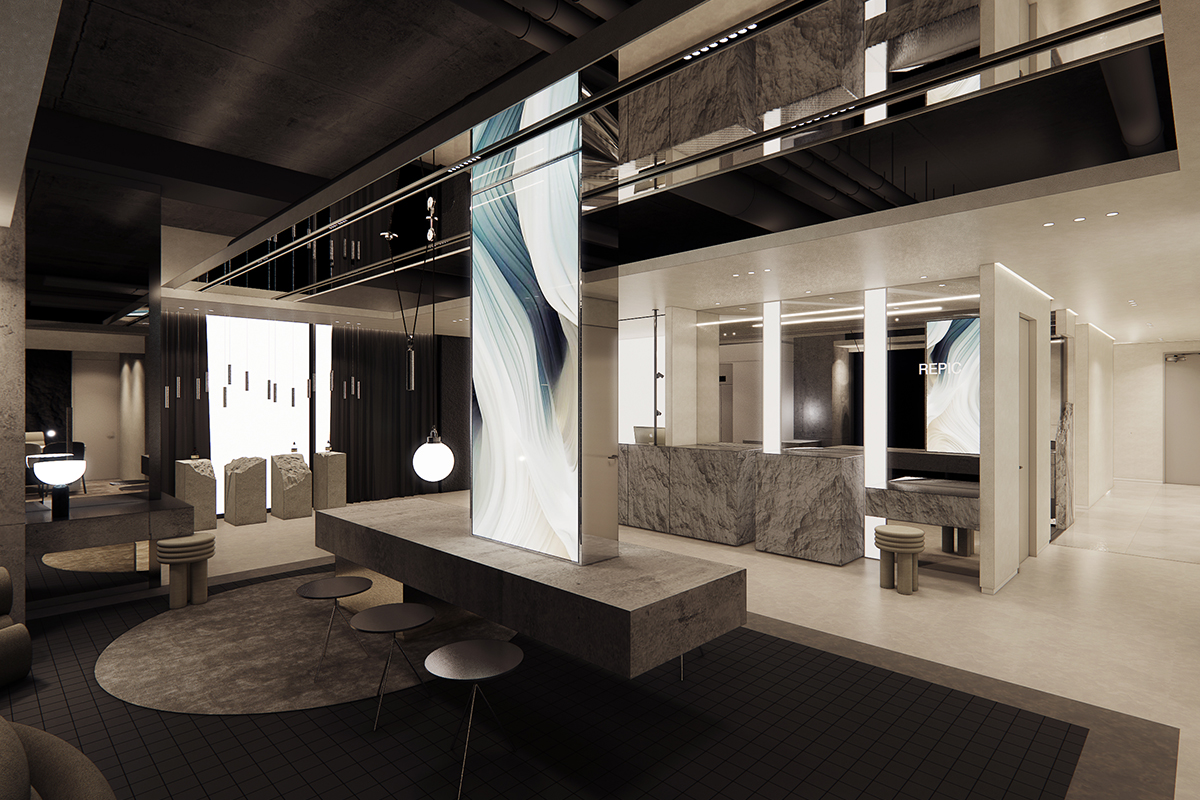
Repic Clinic in Gangnam states that it first confirms at the consultation stage whether a procedure is needed and its scope. Specific schedules and costs can be confirmed at an in-person consultation.
Frequently Asked Questions
In what order should I look into a first lifting treatment in your 30s?
The usual order is to sort out the area of concern and the recovery schedule you can allow first, then decide the energy type and treatment scope at the consultation. If you pick a treatment name first and then go for a consultation, you may end up choosing something that does not match your skin condition.
Is one lifting treatment session enough?
The number of sessions and the interval depend on your skin condition and goals. Some people finish in one session and others continue at regular intervals, so please get an individual plan at the consultation. The degree of effect varies from person to person.
Can I go back to daily life right after the treatment?
Depending on the method, many people can return to daily life right after the treatment, but swelling or redness may last a few days. If you have an important event coming up, it is a good idea to mention it at the consultation so the schedule can be adjusted.
Do lifting treatments have side effects or precautions?
Temporary swelling, redness, pain and changes in sensation have been reported. Abnormal reactions can rarely last longer, so if symptoms continue after the treatment, you should contact the medical institution that treated you.
How do I find out the cost of lifting?
Lifting is a non-covered treatment, so the price differs by clinic and treatment scope.
I am in my 30s. Is skin care without any procedure enough?
If firmness has not changed much, sun protection, moisturizing and lifestyle management may be enough. Deciding whether a procedure is needed is most accurate through an in-person examination and consultation.

Related Official Information
You can find more details on the official website.
Repic Clinic official website →
※ This content is for general information only and does not replace a medical diagnosis or treatment. Please consult a medical professional before any procedure. Results, downtime and side effects vary from person to person.